 English
 العربية
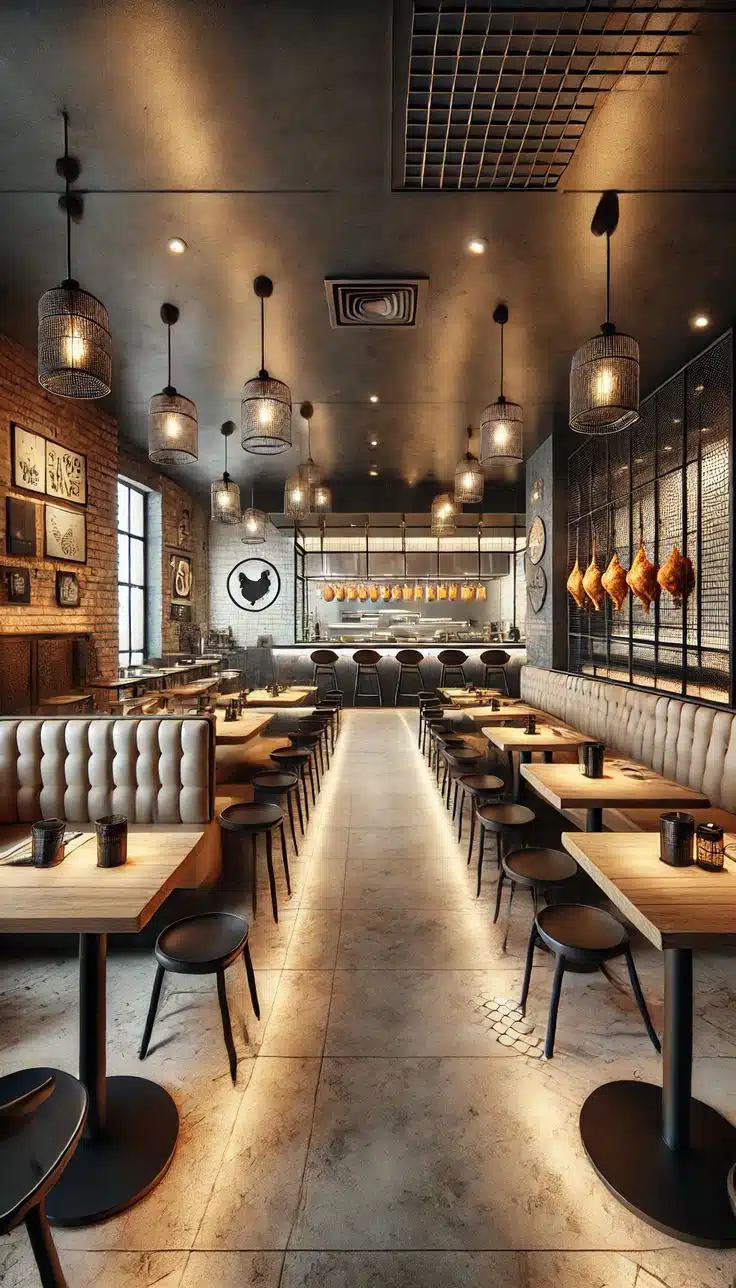
Discover how retail lighting design can be your most powerful salesperson. Your 2025 comprehensive guide to using light as a strategic tool to attract customers, highlight products, and dramatically increase sales.
In the fiercely competitive world of retail, where every square meter and every customer interaction is analyzed, many often overlook one of the most powerful and influential assets: lighting. It is more than just a functional necessity for seeing products; it is the silent salesperson that works tirelessly. Lighting creates the first impression, guides the customer’s footsteps, tells your brand’s story, enhances the beauty and value of your merchandise, and ultimately, it is what whispers in the customer’s ear: “This product is worth buying.”
The common mistake is to treat lighting as an item on the expense list, not as a strategic investment in sales. A poorly lit store—flat, dull, or harsh—looks uninviting and diminishes the perceived value of the products, even if they are luxurious. A brilliantly lit store, however, creates an immersive experience, makes products look more vibrant and appealing, encourages customers to stay longer, and most importantly, motivates them to buy.
This comprehensive guide, spanning over 3000 words, is not just an article about decor; it is an action plan and an intensive training course in the art and science of retail lighting. We will delve into the psychology of light and how it affects shopper behavior, explain the professional layered lighting strategy, and dive deep into the crucial technical details like the Color Rendering Index (CRI) that can make or break your sale. We will review practical ideas for every zone in your store, from the window display to the fitting rooms, and we will see how partnering with experts and high-quality lighting solutions, like those offered by Nawartt, can be the decisive factor in transforming your store from just a place that sells goods into an unforgettable shopping destination.

Part One: The Psychology of Light in Retail – Why Lighting Sells
To understand how to use light effectively, we must first understand how the human brain interacts with it in a shopping environment. Lighting is not just physics; it is applied psychology.
Chapter 1.1: Creating the “Decompression Zone” The store entrance is the most critical point. Customers often come from the bright outdoors, where visual clutter is high. Your store entrance must act as a transitional zone that calms the customer’s senses and prepares them for the shopping experience.
- The Idea: Use slightly softer and warmer lighting than the outdoors, while highlighting an attractive display or the brand logo. This draws the customer in and encourages them to slow down and start exploring.
Chapter 1.2: Guiding the Customer Journey (The “Path of Light”) The human eye is instinctively drawn to the brightest areas in its field of vision. This principle can be used to strategically guide customers through the store without needing arrows or signs.
- The Idea: Create a “path of light” by keeping the main aisles comfortably lit (ambient lighting), while creating “pools” of brighter light (accent lighting) on end-cap displays and featured products. This contrasting path subconsciously directs the customer to explore the parts of the store you want them to see.
Chapter 1.3: The “Attraction and Focus” Principle Contrast is the most powerful tool for making products “pop” off the shelf. In an environment with moderate ambient light, aiming a focused light that is three to five times brighter onto a specific product makes it the visual star of the scene. This compels the customer to look at it and creates a sense of importance and value.
Chapter 1.4: Shaping Brand Identity and Mood Lighting is an integral part of your brand’s identity.
- Bright, Uniform, Cool Lighting (4000K-5000K): Associated with value, cleanliness, and efficiency. Used by supermarkets, pharmacies, and discount stores.
- Dim, High-Contrast, Warm Lighting (2700K-3000K): Associated with luxury, privacy, and exclusivity. Used by high-end boutiques, jewelry stores, and fine dining restaurants. Defining your brand identity first is what determines the lighting strategy. Achieving these atmospheres accurately requires controllable, high-quality lighting systems, such as the versatile track lighting and downlight solutions offered by Nawartt.
Part Two: The Layered Lighting Strategy for Retail Design
Just as in residential interior design, professional retail lighting design relies on the principle of layers, but with clear commercial objectives.
- First Layer: Ambient Lighting (The Store’s Atmosphere)
- Goal: To provide comfortable general illumination that ensures safe visibility and sets the overall mood and brand identity.
- Application: A grid of well-distributed recessed downlights, the use of indirect cove lighting for a more luxurious feel, or suspended linear fixtures. This layer should be the calm foundation upon which other layers stand out.

- Second Layer: Task Lighting (The Functional Layer)
- Goal: To provide strong, focused light for areas where specific tasks are performed.
- Application: Bright, clear lighting over checkout counters for easy financial transactions and clear product visibility. Excellent lighting in fitting rooms. Bright lighting behind customer service desks.
- Third Layer: Accent Lighting (The “Hero” Layer for Sales)
- Goal: This is the layer that sells. Its purpose is to highlight merchandise and make it irresistible.
- Application: Using spotlights, especially track lighting systems, to precisely aim light at mannequins, display tables, new arrivals, and high-margin items. The flexibility offered by high-quality track lighting systems, like those from Nawartt, allows the store to constantly change and update its displays without needing to change the lighting infrastructure.
- Fourth Layer: Decorative Lighting (The “Jewelry”)
- Goal: To reinforce brand identity and add a unique aesthetic element.
- Application: A massive crystal chandelier at the entrance of a high-fashion boutique, a custom neon sign with the store’s slogan, or industrial-design pendants in a youth apparel store.

Part Three: The Technical Toolkit – Essential Specs Every Retailer Should Know
Herein lies the difference between lighting that “looks good” and lighting that “sells.”
Chapter 3.1: Color Rendering Index (CRI) – The Most Important Number in Retail
- What is CRI? It is a scale from 0 to 100 of how accurately a light source reveals the true colors of products compared to natural sunlight.
- Why is it critical? Because the customer makes a purchase decision based on color. A low CRI light can make a red dress look orange, a fresh piece of meat look dull, or a foundation makeup look completely different from the actual skin tone. This leads directly to customer dissatisfaction and a huge increase in product returns.
- The Golden Rule: In retail, especially for fashion, cosmetics, furniture, and fresh food, you should accept nothing less than a CRI of 90. The gold standard is CRI 95+. Investing in high-CRI fixtures from specialized brands like Nawartt is a direct investment in customer trust, reduced returns, and increased sales.
Chapter 3.2: Color Temperature (CCT) – Crafting the Brand’s Voice
- 2700K – 3000K (Warm White): Ideal for luxury brands, bakeries (makes bread look warm and fresh), and wooden furniture stores. It creates a cozy and intimate atmosphere.
- 3500K – 4000K (Neutral White): The most versatile and common choice. Ideal for most fashion stores, electronics, and modern spaces. It provides a sense of energy and clarity without being cold.
- 4000K – 5000K (Cool White): Used to create a sense of cleanliness and high technology. Ideal for jewelry stores (makes diamonds and silver sparkle more) and sports stores.
Chapter 3.3: Beam Angles and Optics
- Narrow Beam (10-24 degrees): Used as a “spotlight” to precisely highlight small, specific products like a handbag, a watch, or a piece of jewelry.
- Medium Beam (25-40 degrees): Ideal for highlighting mannequins or small groups of products.
- Wide Beam (over 40 degrees): Used for washing walls with light or for general illumination. The quality of the optics (lenses and reflectors) in fixtures from companies like Nawartt ensures a clean, defined beam of light, which reduces “wasted light” and increases dramatic impact.
Chapter 3.4: Glare Control Glare is the enemy of a pleasant shopping experience. It makes customers feel uncomfortable and want to leave. Deep-baffle recessed downlights should be used, or accessories like honeycomb louvers should be added to spotlights to reduce direct glare.

Part Four: Practical Application – Ideas for Lighting Different Store Zones
- The Window Display (The Hook): This is your 24/7 advertisement. It must be dynamic and attractive. Use high-contrast accent lighting. Track lighting systems are the perfect solution here for their flexibility, allowing you to change the lighting with every new display.
- The Sales Floor and Aisles (The Journey): Use a base of comfortable ambient light, then create a “path” by accenting end-caps and promotional displays to grab customers’ attention and guide them.
- The Fitting Rooms (The Moment of Truth): This is the most sensitive area, where the final purchase decision is made.
- The Catastrophic Mistake: A single downlight from the ceiling. It casts the worst possible shadows on the body and face.
- The Optimal Solution: Vertical lighting on both sides of the mirror. This provides even, shadow-free frontal illumination that makes the customer look their best. A CRI of 95+ is essential here. Investing in excellent fitting room lighting from suppliers like Nawartt has the highest return on investment because it directly impacts the purchase decision.
- The Checkout Counter (The Final Impression): It needs bright, clear task lighting for transactions, with an added decorative touch (like an elegant pendant) to reinforce the brand and leave a positive final impression.
Part Five: The Future of Retail Lighting – Smart, Dynamic, and Data-Driven
- Smart Control and Dynamic Displays: Using smart control systems, stores can change the entire lighting ambiance to match the time of day (brighter in the morning, warmer in the evening) or to launch promotional campaigns (like changing colors to red during a sale).
- Integration with Customer Analytics: Modern lighting fixtures can be equipped with sensors (like Bluetooth Beacons) to track customer flow and dwell time, creating heat maps of the store. This data is invaluable for optimizing store layout and merchandise placement.
- Human-Centric Lighting (HCL) in Retail: Some high-end stores are beginning to use “tunable white” lighting that mimics the natural cycle of sunlight to create a more comfortable and pleasant shopping environment, which encourages customers to stay longer and increases the likelihood of a purchase. Partnering with an advanced brand like Nawartt can provide access to these smart and futuristic systems.
Conclusion: Turn Light into Profit
Ultimately, retail lighting is no longer a necessity but a strategic marketing tool and one of the most important elements of the customer experience. It is the investment that works silently to increase your brand’s value, the appeal of your products, and, ultimately, your profits. By adopting a layered approach, paying close attention to quality and the correct technical specifications (especially CRI), using contrast to create focus, and carefully designing each zone of the store, you can transform light from a mere operating cost into a revenue-generating asset. Stop thinking about lighting your store, and start designing a luminous experience for your customers.
#Keyword_List #RetailLighting #ShopLighting #IncreaseSalesWithLighting #StoreLightingDesign #ColorRenderingIndex #CRI #AccentLighting #TrackLighting #Nawartt #PsychologyOfLighting #WindowDisplayLighting #FittingRoomLighting #CommercialLighting #LEDStoreLighting #SmartRetailLighting #ColorTemperature #StoreDesign #CustomerExperience


