 English
 العربية
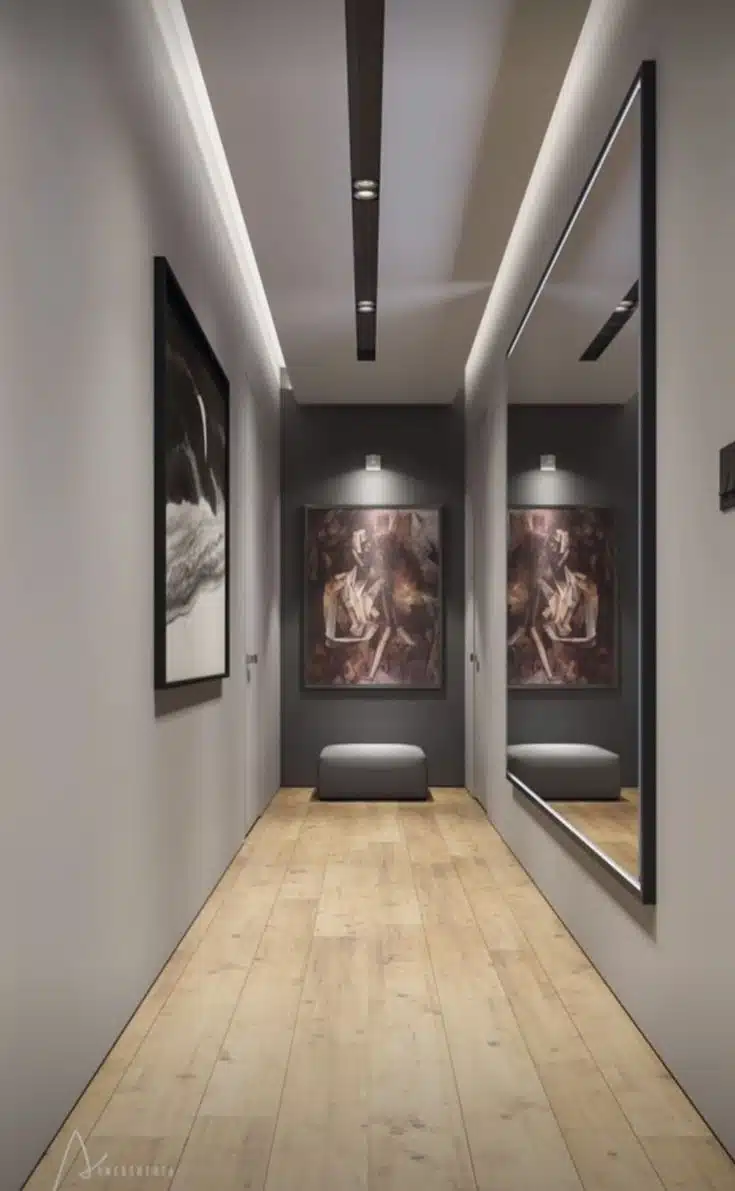
Master the art of using spotlighting with our comprehensive 2025 guide. Discover innovative ideas and professional techniques to transform your home and highlight its beauty through focused and dramatic lighting.
In the theater of interior and exterior design, if ambient lighting sets the general mood of the scene, then spotlighting is what directs the audience’s gaze to the star of the show. It is the tool that the designer masterfully uses to tell you: “Look here. This is what matters.” A spotlight is not just a lamp; it is a precise painter’s brush, a focused beam of light that has the power to sculpt objects, create drama, add depth, and transform any ordinary space into a vibrant art gallery of details.
Spotlight technology has evolved tremendously, moving beyond its old stereotype as just harsh lights in stores or theaters. Today, spotlight solutions, especially with the LED revolution, are more precise, elegant, and efficient than ever before. The “art of spotlighting” is the science of precision and the art of choice; it is understanding when to use a sharp, narrow beam to isolate a sculpture, and when to use a wider beam to wash a stone wall with light, and how to use the contrast between light and shadow to create a visual hierarchy that captivates the eye and tells a story.
In this comprehensive and detailed guide, spanning over 3500 words, we will dissect the world of spotlighting from every possible angle. We will start with the physics that govern focused light, delve into the different types of spotlights, explore the critical technical specifications that separate amateurs from professionals. We will present a huge gallery of inspiring ideas for its application in every corner of your home, inside and out, and reveal the secrets that lighting experts use to create stunning effects. We will see how high-quality solutions from specialized brands in precision lighting like Nawartt provide the perfect tools that enable you to achieve this artistic vision with the highest levels of performance and reliability.

Part One: The Physics of Focus – What Makes a Spotlight a “Spotlight”?
To understand how to use this tool effectively, we must first understand how it works and what distinguishes it from other light sources.
Chapter 1.1: The Essence of Directional Light Unlike a traditional light bulb that spreads light in all directions (diffuse light), or an ambient fixture that provides a general glow, a spotlight is designed to control and direct light in one specific direction. This is achieved through a sophisticated optical system.
Chapter 1.2: The Optics – The Secret Sauce The part that transforms ordinary LED light into a focused beam is the optical system.
- Reflectors: Inside many spotlights is a polished or multifaceted reflector designed to gather all the light emitted from the LED chip and direct it into a single beam. The shape and angle of the reflector determine the shape and spread of the beam.
- Lenses: High-quality spotlights use advanced lens technology, most famously TIR (Total Internal Reflection) lenses. These precisely engineered lenses capture nearly all light photons and direct them in a very clean, defined beam with minimal “wasted light” or side glare. The quality of these lenses is one of the key factors that distinguish professional products from brands like Nawartt.
Chapter 1.3: Beam Angle – The Most Critical Specification This is the number that tells you how “narrow” or “wide” the light beam is. It is the most important technical decision you make when choosing a spotlight.
- Very Narrow Spot (VNS): Less than 15 degrees. Used to create a very sharp, dramatic effect and to highlight small details from a distance.
- Narrow Spot (NS): 15 to 25 degrees. This is the most common choice for accent lighting for artworks and sculptures.
- Flood (FL): 26 to 40 degrees. Used to cover a larger area, such as lighting a group of elements or part of a wall.
- Wide Flood (WFL): More than 40 degrees. Used for washing an entire wall with light (wall washing) or for providing general illumination from the ceiling.
Chapter 1.4: Field Angle and Beam Quality In addition to the main beam angle, there is the “field angle,” which is the wider, dimmer spread of light around the main beam. In professional applications, a “clean beam” where the edge between the beam and the field is soft but defined is preferred, without rings or dark spots in the middle.
Part Two: The Spotlight Catalog – A Guide to Types and Forms
Spotlights come in different shapes and mounting types to suit every application.
Chapter 2.1: Recessed Spotlight The most common choice for a clean, integrated architectural look.
- Fixed vs. Adjustable: The fixed type directs light straight down. The adjustable type, known as a “Gimbal” or “Eyeball,” allows you to precisely aim the beam at any point you want on the wall or floor. It is the best choice for accent lighting.
- Trim vs. Trimless: The trim type is traditional. The “trimless” type is installed before the final coat of paint to look like an integral part of the ceiling, the preferred choice in minimalist modern designs.
- Anti-Glare Reflectors: Choose types with a deep baffle or what is called “Dark Light” reflectors, where the light source is deeply recessed within the unit, making it almost invisible from most angles and minimizing glare to the maximum.
Chapter 2.2: Track-Mounted Spotlight This is the champion of flexibility. Spotlight heads are mounted on a track, which allows you to:
- Move the heads along the track.
- Aim each head independently.
- Easily add or remove heads. It is the ideal solution for art galleries, stores, and living rooms where furniture or artwork arrangements change. Track lighting systems from Nawartt provide this flexibility while maintaining a sleek design and high-performance fixture heads.
Chapter 2.3: Surface-Mounted Spotlight Also known as a “Monopoint.” A small base is mounted directly on the ceiling or wall, from which an adjustable spotlight head protrudes. It is a great solution for concrete ceilings that are difficult to drill into, or as a deliberate design choice in industrial or modern spaces.
Chapter 2.4: Landscape Spotlight Designed to withstand the harshest weather conditions.
- Durability: Must be made of rust and corrosion-resistant materials like high-quality die-cast aluminum or solid brass.
- IP Rating: Must have an IP65 or IP67 rating to ensure resistance to dust and heavy rain.
- Mounting Options: Comes with a ground stake for planting in soil, a base for mounting on hard surfaces, or a strap for mounting on tree trunks. The quality and durability of exterior spotlights from Nawartt make them a long-term investment for beautifying your garden.

Part Three: The Art of Application – A Gallery of Spotlight Ideas
Now that we understand the tool, let’s explore its limitless uses.
Chapter 3.1: The Core Technique – Accent Lighting This is the classic use of a spotlight.
- Artworks: The golden rule is to aim the light at the painting at a 30-degree angle from the ceiling to reduce reflections. Use a beam that just covers the painting without spilling much onto the surrounding wall.
- Sculptures and 3D Objects: Use cross-lighting from two or more sources at different angles to reveal the object’s form and avoid flat shadows.
- Architectural Details: Highlight a fireplace, a column, a vaulted ceiling, or a built-in library to turn it into a focal point in the room.
Chapter 3.2: Wall Techniques
- Wall Grazing: Install spotlights (recessed in the ceiling or floor) very close to a wall with a distinctive texture (stone, brick, wood). This creates long, sharp shadows that dramatically highlight the material’s texture.
- Wall Washing: Unlike grazing, wide-beam (flood) spotlights are installed at a greater distance from the wall and aimed at it to create a soft, uniform layer of light. This technique makes a room feel larger and brighter.
Chapter 3.3: Interior Ideas, Room by Room
- Living Room: Your private art gallery. Use adjustable recessed spotlights to highlight paintings, shelves, and plants. A track system can provide ultimate flexibility.
- Kitchen: Narrow spotlights can be used as focused task lighting over the sink or as accent lighting to highlight the backsplash design. Here, a high CRI (90+), which Nawartt products feature, is very important for seeing the natural colors of food.
- Bedroom: Dimmable recessed spotlights can be used as an alternative to traditional ambient lighting, aimed to wash the closet walls. Small, adjustable wall-mounted spotlights can also serve as focused reading lights.
- Hallways: Turn a long hallway into an art corridor by installing adjustable recessed spotlights that highlight a series of family photos or artworks along one wall.
Chapter 3.4: Exterior & Landscape Ideas
- Uplighting Trees: The most impactful technique in garden design. Use one or two spotlights at the base of a large tree trunk to highlight its leaves, creating a magical nighttime scene.
- Facade Accenting: Use spotlights to highlight columns, peaks, or the main entrance, giving the house a strong presence at night. The durability and resistance of exterior spotlights from Nawartt ensure this beauty lasts for years.
- Highlighting Garden Features: Spotlight a fountain, a statue, or a group of rocks to be a focal point in the landscape design.
Part Four: The Technical Masterclass – Getting the Details Right
- Choosing the Right CCT & CRI: For residential interior spaces, stick to Warm White (2700K-3000K). For the best visual results, never accept less than CRI 90.
- Lumens vs. Contrast: In accent lighting, what’s more important than absolute brightness is the contrast ratio between the highlighted object and its surroundings. A 5:1 ratio (the object is 5 times brighter) is a good start for creating visual drama.
- Dimming: Dimming spotlights allows you to fine-tune the level of drama. Sometimes, a soft glow on an artwork is more elegant than a bright light.
- Lenses and Accessories: Professional spotlight heads can be fitted with accessories like honeycomb louvers (to reduce glare), snoots (to further narrow the beam), and spread lenses (to change the beam shape from round to oval). The availability of these accessories is a sign of a professional lighting system, like one you might find from Nawartt.

Conclusion: From Illumination to Artistic Direction
At the end of this deep journey, we realize that a spotlight is not just a lamp; it is the designer’s most powerful tool for creating focus, depth, visual hierarchy, and drama. It is what transforms a space from a merely lit place to a carefully designed scene. Mastering the art of spotlighting means moving from the role of an “illuminator” to that of an “artistic director” for your own space.
Stop thinking of lighting as a way to fill a space with light, and start thinking of it as a way to direct attention and tell a story. Learn the language of beam angles, the power of contrast, and the magic of shadow. Whether you are lighting a cherished painting, a tree in your garden, or just a wall to highlight its texture, the spotlight is your tool to transform the ordinary into the extraordinary. And with the precise, high-quality tools provided by specialized partners like Nawartt, the ability to achieve your artistic vision is in your hands.
#Keyword_List #SpotlightLighting #ArtOfLighting #LightingDesign #AccentLighting #DirectionalLighting #Spotlight #Accent_Lighting #LEDLighting #Nawartt #BeamAngle #ArtworkLighting #ArchitecturalLighting #InteriorLighting #ExteriorLighting #RecessedLighting #TrackLighting #InteriorDesign #LightingEngineering #ColorRenderingIndex


