 English
 العربية
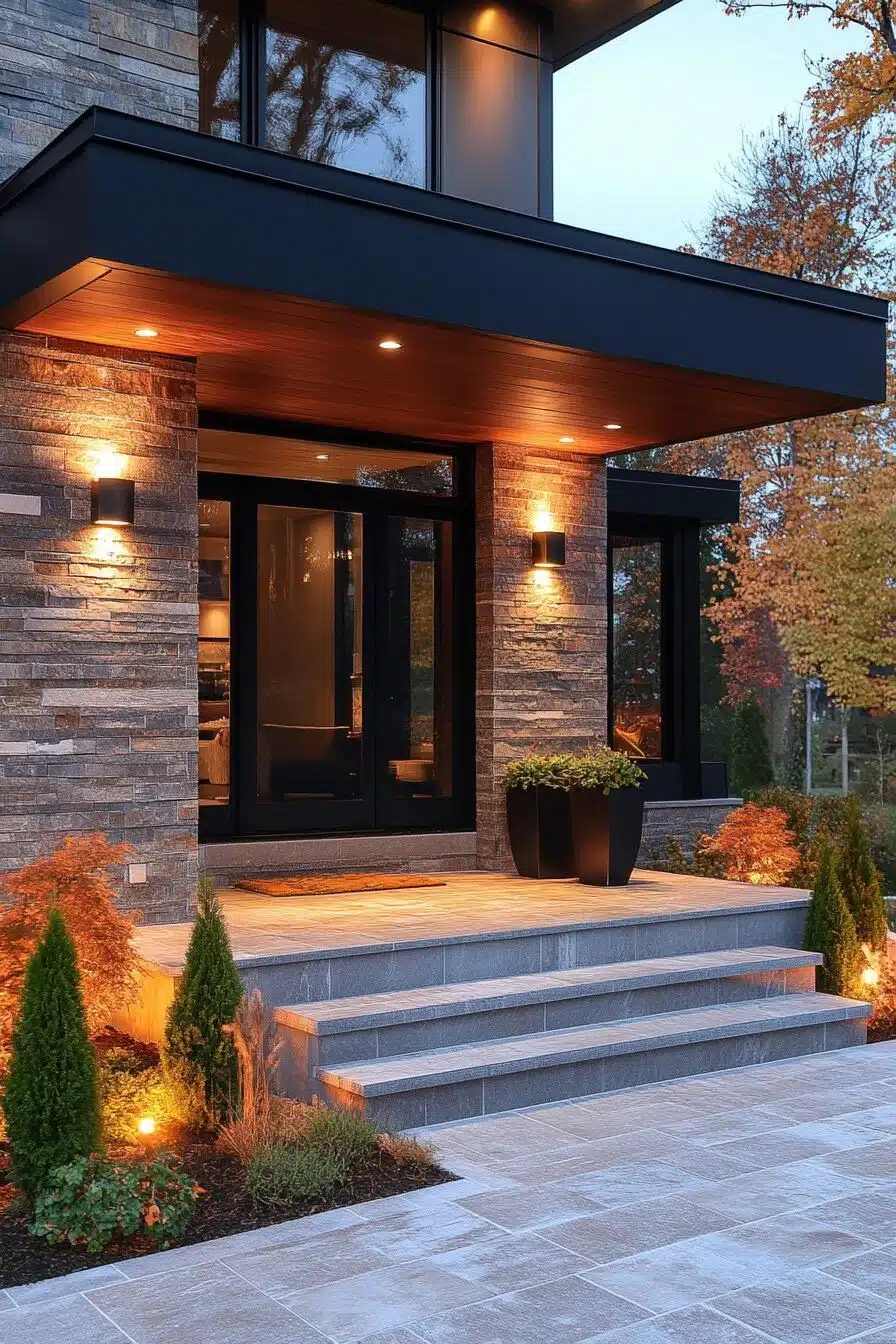
Discover the art of choosing exterior sconces that enhance the beauty and security of your home. Your 2025 comprehensive guide to selecting the perfect design, materials, and lighting techniques for a facade that welcomes you every night.
When we think about designing our homes, our efforts often focus on the interior spaces, forgetting that the home’s facade is the first thing guests see and the first thing that welcomes you upon your return at the end of the day. In this context, the importance of exterior lighting, specifically Exterior Wall Sconces, cannot be overstated. These units are not just lamps fixed to a wall to dispel darkness; they are the luminous “welcome card” of your home, the piece of jewelry that adorns its facade, the silent guardian that provides security, and the guide that directs your steps.
The “art of choosing exterior sconces” is a precise science and an artistic practice that requires a deep understanding of the multiple roles these units play. The wrong choice can detract from the beauty of the architectural design, create annoying glare, or fail to provide the necessary security. The right choice, however, can transform a dull facade into a vibrant work of art, enhance the property’s value, and create a sense of pride and serenity every time you approach your door.
In this comprehensive and detailed guide, spanning over 3500 words, we will dive deep into the world of exterior wall sconces. We will not just display styles, but explore functional roles, material science, integrated technology, the precise design rules of scale and placement, and maintenance tips. We aim to provide you with all the knowledge you need to make an informed decision, to choose sconces that not only light your way but also tell your home’s unique story with elegance and confidence. You can always draw inspiration from the diverse collections offered by specialized platforms like the Nawartt.com website.

Part One: Beyond the Light – The Multifaceted Roles of Exterior Sconces
To understand how to choose sconces correctly, we must first appreciate the multiple tasks they perform. Every exterior sconce is a multi-tasking employee, performing vital roles that affect safety, beauty, and function.
Chapter 1.1: The Guardian (Safety & Security): This is the primary and most important role. Exterior sconces that illuminate entrances, pathways around the house, and backyard areas act as a powerful deterrent to intruders and burglars by eliminating dark hiding spots. Additionally, they are the first line of defense against nighttime accidents, illuminating stairs, thresholds, and uneven paths, preventing trips and falls and ensuring the safety of your family and guests.
Chapter 1.2: The Guide (Wayfinding): On a dark night, an exterior sconce acts as a small beacon guiding visitors to their correct destination. It clearly marks the location of the front door, illuminates house numbers to make them easy to find, and directs movement along pathways to the garage or backyard. Good wayfinding lighting makes the experience of arriving at your home easy and comfortable for everyone.
Chapter 1.3: The Host (Ambiance & Welcome): A warm and inviting light at the entrance creates a first impression of welcome and hospitality. It sends a message that says, “Welcome, this is a safe and comfortable place.” The ambiance created by an exterior sconce can set the tone for the entire evening, transforming your entrance from just a door into a gateway to warmth and comfort.
Chapter 1.4: The Artist (Architectural Highlighting): Here, the real art begins. Exterior sconces can be used as an artistic tool to highlight the aesthetics of your home’s facade. A cleverly directed beam of light can:
- Accentuate the rich texture of a stone or brick wall (Wall Grazing technique).
- Dramatically frame the main entrance.
- Highlight arches, columns, or unique architectural details.
- Add depth and visual dimension to the facade, making it look more interesting.
Chapter 1.5: The Stylist (Daytime Decorative Element): The role of the sconce is not limited to the night. During the day, the shape and design of the unit itself are an integral part of the facade’s decor. The sconce should complement the home’s architectural style, whether modern, traditional, or rustic. Choosing a piece with an elegant design from a brand that values aesthetics like Nawartt can add an artistic touch to the home even before dark.

Part Two: An Encyclopedia of Styles – Finding the Perfect Aesthetic Match
Choosing the right style of exterior sconce is a crucial step to ensure design cohesion. The sconce should be an extension of the home’s architectural character, not an intruder.
- Traditional & Classic: This style is characterized by timeless elegance and historically inspired details. Look for lantern shapes, materials like wrought iron, bronze, and brass, and decorative or beveled glass. These sconces suit homes with a classic, Victorian, or Mediterranean character.
- Modern & Minimalist: “Less is more” is the motto of this style. It features pure geometric shapes (cylinders, cubes, rectangles), clean lines, and simple finishes (matte black, brushed steel, white). It often uses integrated LED technology, which allows for slim and elegant designs. Great examples of this style can be seen in the Modern Sconces section on the Nawartt.com website.
- Transitional: This is the bridge connecting traditional and modern. It takes classic forms and simplifies them, reducing ornamentation. It is a safe and versatile choice that suits most home styles.
- Farmhouse & Rustic: This style draws inspiration from simple rural life. It features shapes resembling barn lighting, often with a gooseneck arm, and made of galvanized or dark bronze metals. It may include details like wire cages or treated wood.
- Industrial: Inspired by old factories and warehouses. It is characterized by raw materials, exposed hardware and mechanical details, and the use of metals, pipes, and wire mesh.
- Coastal & Nautical: Designed to withstand harsh seaside environments. It features designs resembling ship lighting (Bulkhead), with protective cages for the glass, and made of salt-resistant materials like solid brass or high-quality powder-coated aluminum.
Part Three: The Science of Durability – Materials and Manufacturing Techniques
The exterior sconce is exposed to harsh weather fluctuations throughout the year, from scorching sun to heavy rain and humidity. Therefore, the quality of materials and manufacturing is the decisive factor in determining its lifespan.
- Material Analysis (Pros & Cons):
- Aluminum (Die-Cast & Powder-Coated): The most common and balanced choice. It is lightweight, corrosion-resistant, and reasonably priced. The quality of the powder coating is key; a thick, durable layer protects it from peeling and rust.
- Stainless Steel: Provides a modern and elegant look and is very durable. When used in coastal areas, look for grade 316 (Marine Grade) for better corrosion resistance.
- Solid Brass & Copper: The premium and most durable choice. These materials do not rust and develop a natural “patina” over time, a color change that many consider part of their beauty and charm. They are the perfect choice for coastal areas due to their superior salt resistance.
- Composite & Polymeric Materials: These are high-tech plastics designed to be completely resistant to rust, corrosion, and UV rays. Ideal for the harshest environments.
- Glass and Lens Types: Clear glass allows for maximum brightness, while frosted or opal glass diffuses light softly and reduces glare. Seeded glass adds a classic touch.
- The Importance of Seals & Gaskets: Good sealing is what ensures the protection of internal electrical components from moisture and dust. This brings us back to the IP Rating. Investing in a sconce from a quality-conscious brand like Nawartt means getting a product designed with precise engineering and strong rubber seals that effectively achieve an IP44 rating (or higher), ensuring reliable performance for many years.

Part Four: The Language of Light – Understanding Effects and Types of Illumination
The shape of the sconce is important, but the shape of the light it produces is just as crucial. You need to understand how the light will affect your facade.
- Direction of Light:
- Downlights: The most common type, directing light downwards. It is ideal for illuminating paths and floors, and reduces light pollution and glare.
- Uplights: Directs light upwards, great for highlighting architectural details above the sconce, such as arches or a roofline.
- Up/Down Lights: A very popular modern choice, creating a dramatic “washing” effect on the wall by casting light in both directions, adding depth and dynamism.
- Diffused Lighting: Provides a soft glow in all directions, ideal for general ambient lighting, and often found in lantern-style sconces.
- Wall Effects:
- Wall Washing: Achieved by placing the sconce at a sufficient distance from the wall to create a wide, even spread of light covering a large surface.
- Wall Grazing: The sconce is placed very close to a textured wall (like stone or brick). This creates sharp shadows that dramatically highlight the material’s texture.
- Technical Light Specifications:
- Lumens (Brightness): For entrances, 500 to 1200 lumens are recommended for a welcoming and safe light. For ambient or accent lighting on walls, 200-500 lumens may be sufficient.
- Kelvin (Color Temperature): The strong recommendation for exterior residential spaces is Warm White (2700K – 3000K). This color creates an inviting and comfortable atmosphere. Cooler temperatures (4000K+) can feel harsh and unwelcoming. Nawartt’s commitment to providing clear technical specifications helps designers and homeowners make an informed decision about the “feel” of the light, not just the look of the unit.
Part Five: The Art of Placement – Essential Rules for Perfect Installation
The placement and size of the sconce can make the difference between a professional look and an amateur one.
- Front Door Lighting: This is the most important location.
- For a single sconce: Install it on the doorknob side to avoid casting a shadow when opening the door.
- For two sconces (the ideal choice): Install one on each side of the door to frame it symmetrically and beautifully.
- Height: The center of the fixture should be roughly at eye level, about 66 to 72 inches (165 to 180 cm) from the ground.
- Garage Door Lighting:
- A single sconce can be placed above the center of a single garage door.
- For a double garage door, a sconce can be placed on each side, or three sconces (one on each side and one in the middle).
- Scale and Proportion (The Quarter-to-Third Rule): This is an important design rule. The height of the sconce should be about one-quarter to one-third the height of the door it is flanking. This prevents the most common mistake: choosing sconces that are too small and look dwarfed by the entrance.
- Placement on Walls and Patios: When using sconces for ambient lighting along a wall, they should be spaced about 6 to 8 feet (1.8 to 2.5 meters) apart to provide even illumination.

Part Six: Maintenance and Modern Innovations
Chapter 6.1: Maintenance Tips to Preserve Beauty:
- Regular Cleaning: Wipe down sconces with a soft cloth and warm water to remove dust and dirt that can reduce their brightness.
- Inspect Seals: Periodically check that rubber seals are intact and not cracked to prevent water ingress.
- Finish Care: Brass finishes can be left to develop a natural patina or polished to maintain their shine. Stainless steel may require special cleaners to remove spots.
Chapter 6.2: Smart and Sustainable Innovations:
- Smart Sconces: Exterior lighting is no longer static. Modern sconces feature smart capabilities such as:
- Dusk-to-Dawn Sensors: Automatically turn on at sunset and off at sunrise.
- Motion Sensors: Increase brightness when motion is detected, enhancing security and saving energy.
- Full App Control: The ability to schedule on/off times and dim the brightness. Exploring the Smart Outdoor Lighting section on platforms like Nawartt.com opens up new possibilities for convenience and control.
- Dark-Sky Compliance: To protect the environment and reduce light pollution, choose sconces designed to direct all their light downwards (Fully Shielded). These units, certified by the International Dark-Sky Association (IDA), preserve the beauty of the night sky. Responsible manufacturers like Nawartt are committed to offering dark-sky friendly options.
Conclusion
Ultimately, the exterior wall sconce is much more than just a lamp. It is a vital design element that performs multiple roles as a guardian, a guide, a host, and an artist. Its selection process is a journey that requires thinking about function first, then diving into the world of aesthetic styles, with a deep understanding of material science and manufacturing quality, and an appreciation for the language of light and its various effects. By paying close attention to the rules of scale and placement, and by embracing smart and sustainable innovations, you can ensure that the exterior sconces you choose will not be mere additions, but will become an essential part of your home’s architectural story, welcoming you and your guests every night with safety, elegance, and warmth.
#Keyword_List #ExteriorSconces #OutdoorWallLighting #ArtOfLightingSelection #FacadeLighting #ExteriorLightingDesign #OutdoorLEDLighting #Nawartt #EntranceLighting #ModernSconces #ClassicSconces #WaterproofLighting #IP44 #LightPollution #SmartOutdoorLighting #ExteriorDecor #SecurityLighting #OutdoorLanterns #GardenLighting


