 English
 العربية
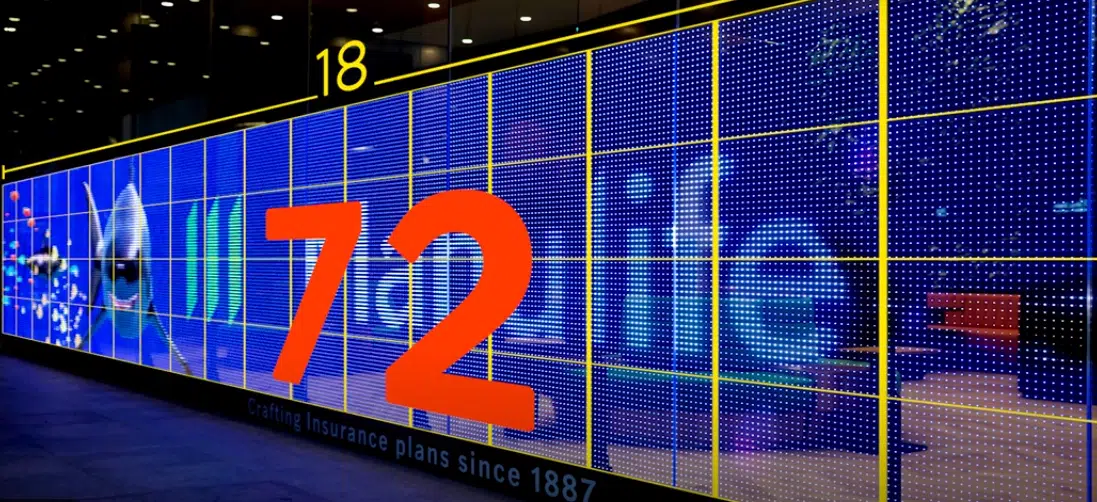
The transparent LED screens from Nawartt represent a quantum leap in the world of lighting and visual performances, combining modern aesthetics and advanced technology to provide an unparalleled visual experience. These screens are based on LEDs to produce clear images and videos that appear on a transparent surface, allowing visibility from both sides. Through this technology, Nawartt highlights a new concept of lighting that combines transparency, high brightness, and energy efficiency, making it the perfect choice for advertising, technical installations, and commercial and general applications.
Nawartt is a symbol of creativity in the lighting world, providing transparent LED screens that enhance the attractiveness of spaces and give a modern touch to any environment. Whether you seek to improve your store’s shopping experience, create an impressive art show, or enhance your brand attendance in public places, Nawartt screens provide customized solutions that combine high performance and elegant appearance.

What are transparent LED screens from Nawartt ?
The transparent LED screens from Nawartt are an innovative LED-based display technology to create images and videos that appear to float in the air. These screens have a transparent surface that allows content to be seen from both sides, making them ideal for applications that require transparency, such as glass building interfaces, billboards, or displays in showrooms. Nawartt expresses a future vision of lighting, providing screens that combine visual clarity, durability, and energy efficiency.
Nawartt screens rely on a design that combines LED backlight with transparent layers of LCD glass or composite materials such as acrylic and polycarbonate. LED lights are arranged in a fine array that is controlled by an advanced controller, allowing high-resolution images and videos to be displayed. Nawartt highlights in these screens the ability to provide bright and clear lighting, while maintaining transparency that allows viewers to see beyond the screen.
How do transparent LED screens from Nawartt work?
The transparent Nawartt screens rely on a technique that combines LED backlight with a transparent LCD board. Millions of light emitting diodes ( LED ) are arranged between two layers of materials: a transparent upper layer that allows light to pass, and a reflective lower layer that promotes brightness towards the eyes of the viewer. These lamps are controlled by a controller that sends accurate signals to each LED, allowing images and videos to be formed in bright colors and high contrast.
LED lights behind the non-luminous areas are turned off, while the headlights remain lit, creating the effect of transparency. Nawartt screens are characterized by a wide viewing angle of 160 degrees, which ensures a clear view of the image from any angle without deformation or loss of quality. This technique is ideal for applications that require attractive visual impact, as Nawartt lends a touch of creativity and innovation to any space.

Manufacture of transparent LED screens from Nawartt
The transparent LED screens are made from Nawartt using high-quality materials and advanced manufacturing techniques to ensure optimum performance and durability. The infrastructure includes two layers of hardened glass treated with anti-glare and reflex coatings, ensuring that the image is clear even in strong lighting conditions such as direct sunlight. A transparent LCD board is placed between these two layers, containing thousands of pixels that can be lit independently by LED lamps.
Manufacturing steps
-
Prepare the glass: High-quality glass panels treated with anti-reflective layers are used to ensure transparency and clarity.
-
LCD board assembly: A transparent LCD board containing fine pixels is controlled by LED lights.
-
Install LED lights: LED lights are installed at the back of the screen in an accurate array, while ensuring equal distribution of light.
-
Add light flyers: A layer of light saws is placed over LED lights to distribute the lighting evenly.
-
Combine polarizers: A layer of polarizers is used to control the brightness and color of light, which enhances image quality.
-
Final coverage: The screen is covered with a transparent board to protect the components and create a smooth and vibrant appearance.
-
Quality test: Nawartt screens are subjected to rigorous tests to ensure performance, durability, and resistance to environmental factors.
Manufacturing materials
-
Tapered glass: Provides high durability and resistance to scratches.
-
LED lights: High-efficiency light emitters provide brightness of up to 7000 candles / m ².
-
Transparent LCD board: Contains pixels with accuracy of 4K or 8K.
-
Light publishers: It is made of acrylic or polycarbonate to distribute light evenly.
-
Anti-glare paint: Added to improve vision in strong lighting.
History of the development of transparent LED screen technology from Nawartt
The idea of transparent LED screens began in the early 2000s, when companies began exploring ways to integrate LED technology with transparent surfaces. At the time, traditional screens were based on LCD and plasma techniques, which lacked transparency. With the development of OLED technology and improvements in the manufacture of LED lamps, it has become possible to produce transparent screens that combine clarity and transparency.
In 2010, Nawartt presented the first prototype of a transparent LED screen at an international trade fair, which impressed the public with its ability to display clear images while maintaining transparency. By 2015, Nawartt launched the first commercial series of transparent LED screens, which included advanced technologies such as side lighting and transparent LCD panels. Since then, Nawartt has continued to develop its screens to include technologies such as GOB and COB, which have enhanced the durability and efficiency of the screens.
Benefits and benefits of transparent LED screens from Nawartt
The transparent Nawartt screens offer a range of advantages that make them the preferred option for many applications:
1. Improved vision
Nawartt screens provide a clear view with exceptional visual depth, making them ideal for attracting public attention. Transparency allows content to be displayed while allowing background to be seen, creating an impressive visual effect.
2. Super durability
Nawartt screens are designed to withstand extreme weather conditions, including rain, wind, and UV rays. It has a life span of 100,000 hours of operation, making it a long-term investment.
3. Energy efficiency
Nawartt screens consume 30-50% less energy compared to traditional screens, which reduces operating costs and preserves the environment.
4. High brightness
Nawartt screens are characterized by a brightness of up to 7000 candles / m ², which makes them visible even in direct sunlight. Nawartt provides adjustable brightness settings to suit different environments.
5. Multiple uses
Nawartt screens are used in a variety of applications, from advertisements to technical installations, thanks to their flexibility and customizable design.
6. Ease of installation
Nawartt screens are characterized by a thin and lightweight design, which makes their installation easy and fast without the need for complex modifications.
Non-transparent and transparent LED screens are two types of LED screens with distinctive features. The differences between them are as follows –
| LED screens are not transparent | LED screens are transparent |
| Non-transparent LED screens do not allow light to pass through. | Transparent LED screens allow light to pass. |
| It provides a one-sided view. | These screens provide views from both sides. |
| Non-transparent LED screens are ideal for internal use. | The best for both external applications. |
| It is the best in places where the viewer is closer to the screen. | LED screens support this remote view. |
| Affordable prices compared to transparent LED screens. | A little expensive because of its advanced features. |
| Common use: Retail screens, theater backgrounds and other similar applications. | Common use: Building interfaces, billboards and other similar applications. |
How to install transparent LED screens from Nawartt
Installing transparent Nawartt screens is a simple process that includes the following steps:
-
Measuring the area allocated to the screen.
-
Prepare the area and remove obstacles.
-
Install the fixing brackets using screws.
-
Tape the screen with the brackets with caution.
-
Connect energy and data cables.
-
Turn on the screen and edit settings.
Applications of transparent LED screens from Nawartt
-
Retail offers: Used to display products in an interactive way.
-
Artistic fixtures: It allows artists to create innovative light shows.
-
Ads: Used in billboards and building facades.
-
Institutional events: Corporate logos and promotional content are displayed.
-
Trade fairs: Used as product display backgrounds.
-
External billboards: Endures weather conditions.
-
Walls of a glass curtain: Included in building facades.
-
Airports: Flight information and ads are displayed.
Case studies: Nawartt at work
-
Dubai retail store: Nawartt used transparent LED screens at the front of a luxury store, which increased customer attraction by 40%.
-
Art gallery in Paris: The OLED screen artist used to display an interactive light combination, which was widely acclaimed.
-
Singapore Airport: Nawartt combined transparent screens to display flight information, which improved the experience of travelers.


Compare transparent Nawartt screens with other techniques
-
Nawartt screens vs. LED glass: Nawartt provides higher accuracy and easier composition compared to LED glass.
-
Nawartt screens versus traditional LCD screens Nawartt excels in brightness and transparency.
-
Nawartt screens versus plasma screens Nawartt offers higher energy efficiency and longer life.
Advanced advice for maintenance and operation
-
Use advanced content management programs to update offers.
-
Carry out periodic checks of cables and connectors.
-
Use additional cooling systems in hot environments.
-
Regular screen fixed software update.


