 English
 العربية
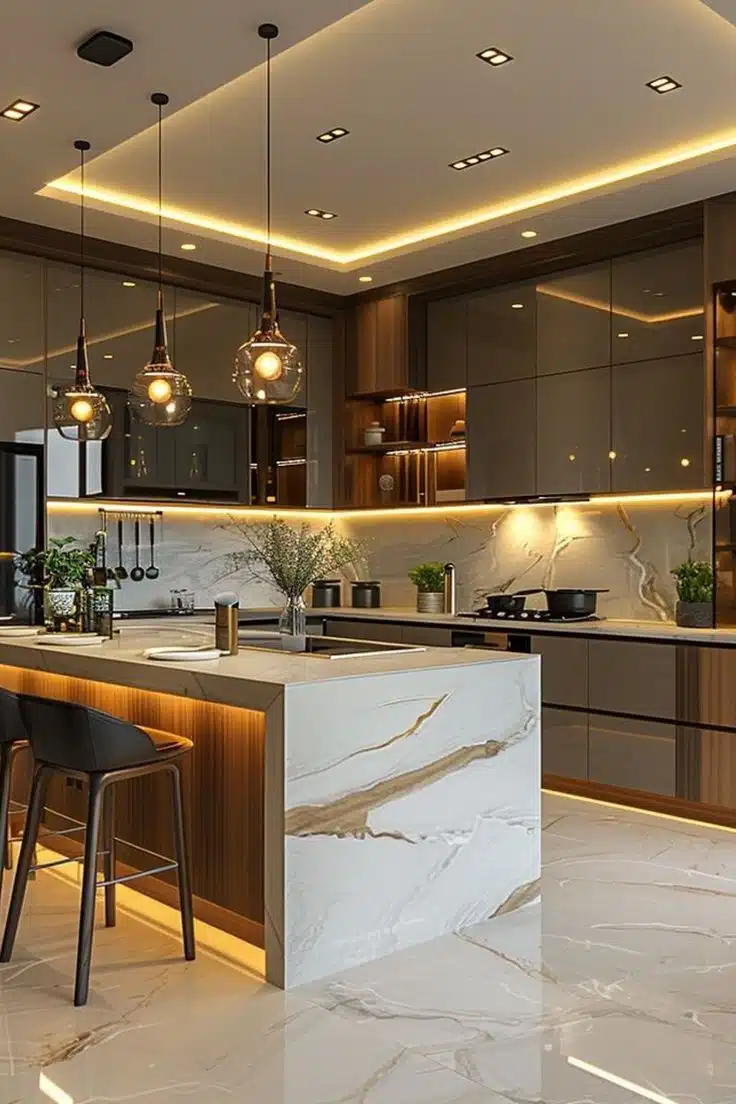
Discover a world of lighting ideas that transform ordinary spaces into extraordinary experiences. Your 2025 comprehensive guide to applying the principles of lighting design and creating the perfect ambiance in your home and beyond.
Light is the first element of creation, and it is the first element of design. Without it, there is no color, no form, no texture. It is the silent artist that breathes life into every object, and the subtle poet that tells the story of every space. When we think about designing our spaces, whether our homes, workplaces, or even our gardens, we often focus on furniture, colors, and accessories, leaving lighting as a mere afterthought, a functional necessity to ward off darkness. But this is the biggest mistake we can make against our own design.
The “art of lighting” is much more than just choosing beautiful lamps. It is a science and an art that studies how light interacts with space, how it affects our psychological state, and how it can be used as a powerful tool to sculpt and shape our environment. The right lighting can make a small room feel spacious, or a low ceiling feel high. It can create a sense of warmth and intimacy, or an atmosphere of energy and focus. Conversely, poor lighting can make the most luxurious places look dull, cause eye strain, and negatively affect our mood.

In this comprehensive guide, spanning over 3000 words, we will embark on an encyclopedic exploratory journey into the world of lighting. We will not just present a list of ideas, but build a deep understanding of the fundamental principles that govern successful lighting design. We will review a treasure trove of innovative ideas for every corner of the home, from inside to out, and we will look to the future to see how smart and human-centric lighting will change the way we live. We will discover how innovative and carefully designed solutions from leading brands like Nawartt provide the necessary tools to turn these ideas into tangible reality, offering not just light, but an integrated experience.
Part One: The Timeless Fundamentals – Principles of Great Lighting Design
Before we dive into the sea of ideas, we must anchor our understanding of the basic principles that do not change. These are the grammatical rules of the language of light, which, when mastered, enable you to compose any visual “symphony” you desire.
Chapter 1.1: The Language of Layers – The Key to Depth and Functionality The most common mistake is relying on a single light source. Professional design always uses three layers of lighting that work together in harmony:
- Ambient Lighting: This is the general, primary lighting that fills the space and provides a comfortable level of visibility. It is the blank canvas. It can be achieved through a central chandelier, recessed downlights, or cove lighting.
- Task Lighting: This is focused, directed light for performing specific tasks, such as reading, cooking, or working. It should be brighter than the ambient light and shadow-free. Examples include desk lamps, under-cabinet lighting, and reading lamps.
- Accent Lighting: This is the layer of drama and beauty. It is used to highlight focal points like artwork, plants, or architectural details. Its purpose is to create visual interest and depth in the room.
Chapter 1.2: The Psychology of Light – The Impact on Mood and Psyche Light is not just a physical phenomenon; it has a profound psychological and biological impact.
- Color Temperature (CCT): Measured in Kelvin (K), it describes the color of white light.
- Warm Light (2700K – 3000K): Tends towards yellow and orange hues, creating a feeling of warmth, comfort, and intimacy. Ideal for bedrooms and living rooms.
- Cool Light (4000K – 5000K): Tends towards pure white and blue hues, mimicking daylight. It enhances focus and energy, making it ideal for offices and kitchens.
- Light Intensity and Control (Dimmers): The ability to control the brightness of light is the most powerful tool for changing the mood. Bright light makes us feel active, while dim light makes us feel relaxed and romantic. A dimmer is an indispensable tool in any modern lighting design.
- Light and Shadow: Good design is not just about light, but about how it’s used to cast shadows. Shadows are what give objects their form, depth, and texture.
Part Two: The Canvas Within – A Universe of Interior Lighting Ideas
After understanding the principles, let’s apply them through inspiring ideas for every room in the house.
Chapter 2.1: The Living Room (The Social Heart) This room requires the utmost flexibility.
- The Focal Idea: Start with a bold statement piece, like an artistic chandelier or a large modern pendant. This piece defines the room’s character.
- Wall Washing: Use dedicated recessed lights to wash a main wall with light, which adds a sense of spaciousness.
- Creating “Pools” of Light: Use a mix of floor and table lamps to create warm islands of light around seating areas, rather than lighting the room uniformly.
- Highlighting Art: Use aimable track lighting to spotlight a collection of paintings. Having a diverse range of lighting solutions that cover all three layers from a single brand like Nawartt ensures a cohesive design language.


Chapter 2.2: The Bedroom (The Serene Sanctuary) The goal here is serenity and comfort.
- The Core Idea: Ditch the harsh overhead light. Rely on indirect light sources.
- Innovative Bedside Lighting: Replace traditional lamps with elegant wall sconces or small pendants hanging on either side of the bed.
- Backglow: Use LED strips behind the headboard to create a soothing halo of light.
- Warmth First: Use only bulbs with a 2700K color temperature, and ensure everything is dimmable.
Chapter 2.3: The Kitchen (The Functional Workshop) Here, function meets elegance.
- The Core Idea: Under-cabinet lighting. This is not an option, but an absolute necessity to effectively illuminate countertops and eliminate shadows.
- Island Lighting: Use a set of decorative pendants over the kitchen island to serve as both a beautiful focal point and a powerful task light source.
- Quality First: The kitchen is an environment that requires durable and easy-to-clean fixtures. Relying on high-quality products from Nawartt ensures reliable and long-lasting performance in this challenging environment.
Chapter 2.4: The Bathroom (The Personal Spa) Safety and functionality are key.
- The Core Idea: Shadow-free mirror lighting. Place vertical wall sconces on both sides of the mirror (not above it) to illuminate the face evenly.
- Safety: Ensure all fixtures used near water sources have an appropriate IP Rating (IP44 or higher).
- Spa Ambiance: Put all lights on a dimmer. Bright light in the morning, and dim, warm light in the evening for a relaxing bath.
Part Three: The World Outside – Extending the Home with Exterior Lighting Ideas
The art of lighting doesn’t stop at the doorstep. Chapter 3.1: The Facade and Entrance (The First Impression)
- The Core Idea: Frame the entrance. Use two elegant wall sconces on either side of the front door to create a welcoming and symmetrical entrance.
- Highlighting Architecture: Use uplights to highlight columns, stone walls, or unique architectural details. Weather-resistant and elegantly designed exterior sconces from Nawartt can significantly enhance a home’s curb appeal.
Chapter 3.2: The Living Landscape (Garden & Patio)
- The Core Idea: Create magic. Use string lights over seating areas to create a festive and warm atmosphere.
- Safe Guiding: Use path lights to safely and beautifully define walkways.
- The Magic of Nature: Spotlight distinctive trees and shrubs to turn your garden into a nocturnal masterpiece.
Chapter 3.3: Safety & Security Use motion-activated floodlights in dark corners around the house to deter intruders and provide safety when moving at night.
Part Four: The Intelligent Glow – The Future of Connected and Human-Centric Lighting
The future is not just in the shape of the lamp, but in its intelligence. Chapter 4.1: The Smart Lighting Revolution We have moved from manual control to absolute control. Smart lighting allows us to:
- Control Remotely: From anywhere in the world via a phone.
- Automate and Schedule: Set lights to turn on and off at specific times.
- Create Custom Scenes: Create different ambiances (for cinema, dinner, relaxation) with the touch of a button.
Chapter 4.2: Human-Centric Lighting (HCL) This is the most advanced idea. It is dynamic lighting that supports our biological clock.
- The Idea: Using “Tunable White” technology to change the color temperature of light throughout the day. Cool, energizing light in the morning, and warm, relaxing light in the evening.
- The Benefits: Improved sleep quality, increased daytime focus, and enhanced mood. Seeking out integrated lighting systems that support this technology from leading companies like Nawartt is a direct investment in your health and well-being.

Chapter 4.3: Lighting as an Integrated Platform In the future smart home, lighting is the nervous system.
- Integration: Your lights talk to your blinds, thermostat, and security system. When you open the door, the entryway lights turn on. When the movie starts, the lights dim automatically.
- The Matter Protocol: This is the new universal standard that ensures all smart devices are compatible with each other, regardless of the manufacturer. Investing in Matter-compliant products from brands like Nawartt ensures your system will be ready for the future.
Chapter 4.4: The New Horizon (AI & Li-Fi)
- Artificial Intelligence: Lighting will learn your habits and automatically adjust to your anticipated needs.
- Li-Fi: This is data transmission technology via light, which could turn every lamp into a super-fast internet access point.
Conclusion: Illuminate Your Own World
We have seen that lighting is a multifaceted language, a powerful tool, and a precise art. From the basic principles of layers, to practical ideas for every room, from the aesthetics of the exterior facade to the advanced intelligence of the future, the possibilities of light are endless. The goal is no longer just to light a room, but to design an experience, create a feeling, and support a lifestyle.
Stop treating lighting as an afterthought. Look around your spaces, think about the moments you live in them, and then ask yourself: How can light make these moments better? Use this guide as a starting point, unleash your creativity, and choose high-quality tools from trusted partners like Nawartt who understand that they don’t just sell lamps, they sell possibilities. Start today to paint your own world, not just with colors and furniture, but with the magnificent gradients of light and shadow.
#Keyword_List #LightingIdeas #LightingDesign #ArtOfLighting #InteriorLighting #ExteriorLighting #LayeredLighting #SmartLighting #Nawartt #HumanCentricLighting #LightingDecor #LEDLighting #BedroomLighting #LivingRoomLighting #KitchenLighting #LightDistribution #LightingControl #FutureOfLighting #InteriorDesign #ArchitecturalLight


